keyboard_arrow_rightkeyboard_arrow_left
Call us at (866)OUTLAWS M-F 9am-6:30pm ET Email us at: [email protected]
Call us at (866)OUTLAWS M-F 9am-6:30pm ET Email us at: [email protected]
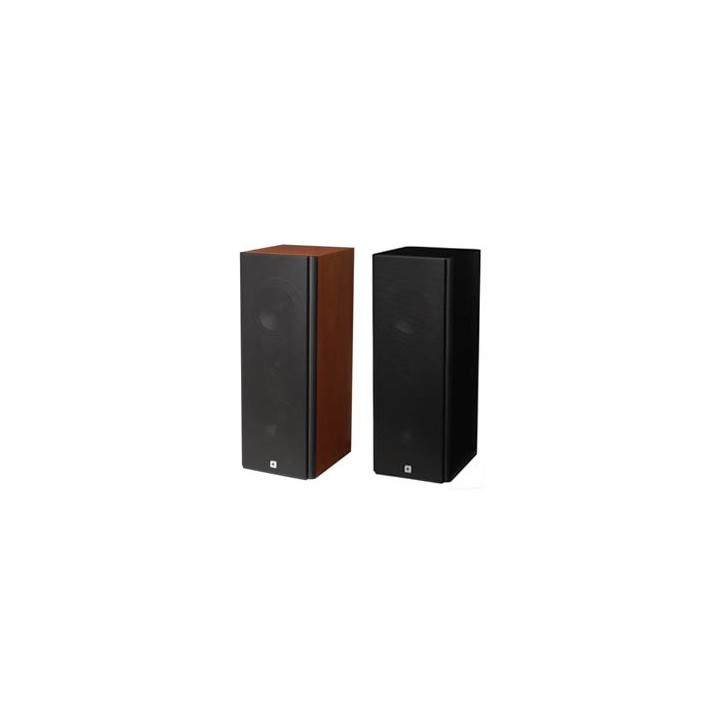
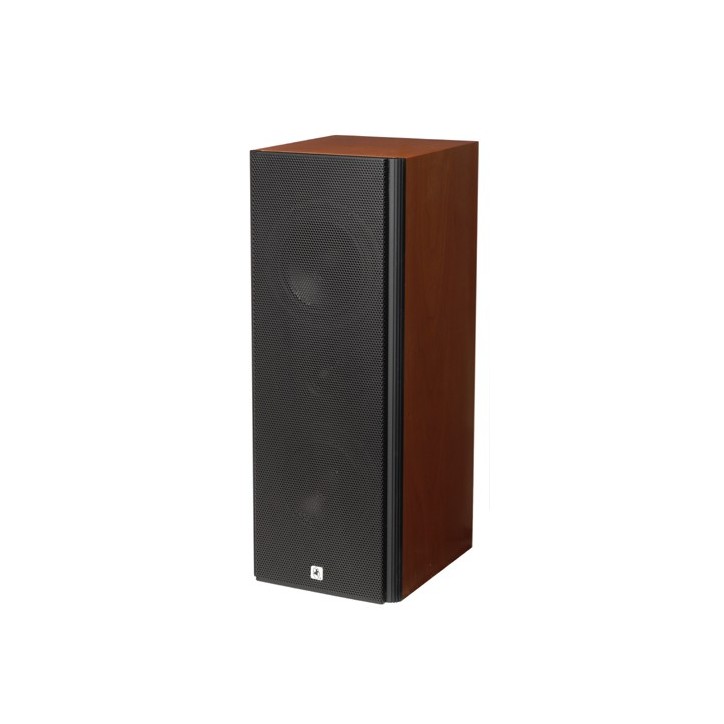
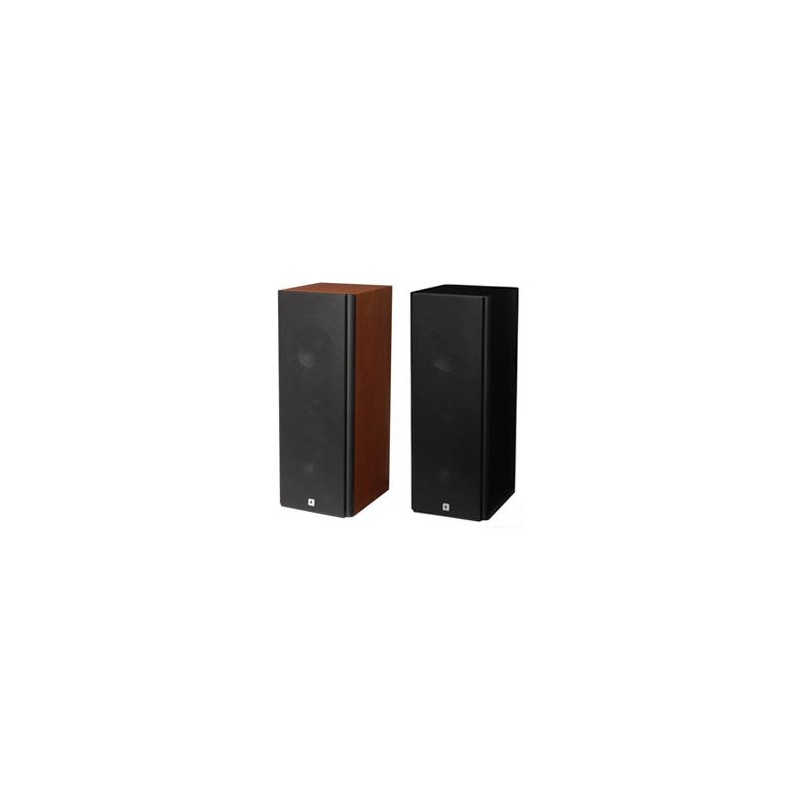
"Highly competent, highly adaptable and an outstanding value." (Sound and Vision Magazine). Following in the footsteps of our Bookshelf Loudspeaker, the Outlaw LCR (Left/Center/Right Channel) loudspeaker is truly something special.
 Free shippingOn orders over $500 (lower 48 states)
 30-day money-back trial
 Ships within 5 business daysVia ground shipping
This product is discontinued. This page is kept as an archive for owners, with the original product information, specifications and manual. For current models, see Speakers & Subwoofers.
“Highly competent, highly adaptable and an outstanding value” (Sound and Vision Magazine)
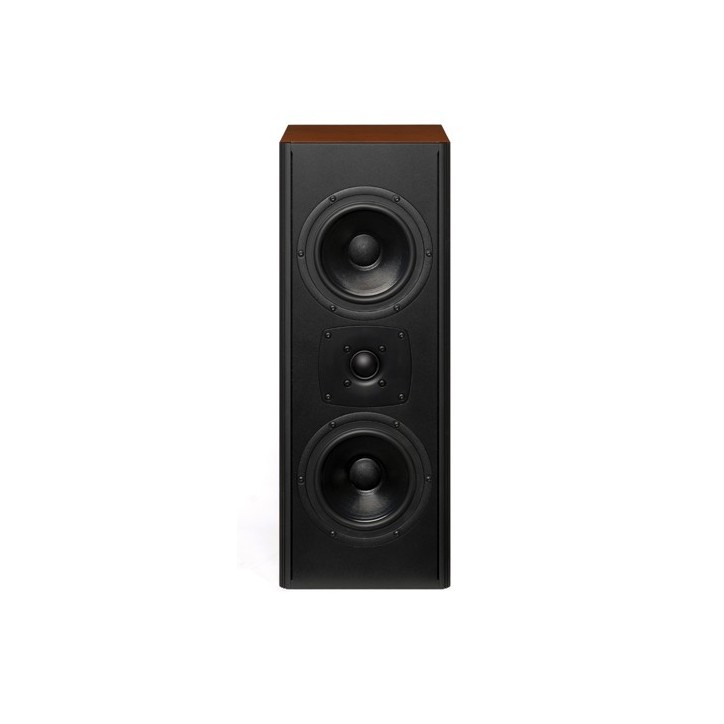
Following in the footsteps of our Bookshelf Loudspeaker, The Outlaw LCR (Left/Center/Right Channel) loudspeaker is truly something special. We believe it is the most sophisticated and flexible home theater speaker ever offered. Perhaps, most importantly, the Outlaw LCR is the first home theater loudspeaker that, with the flip of a switch, is capable of optimal performance in either a vertical or horizontal orientation.
Until now, getting a perfect match across the front channels of a home theater system has always involved a compromise. Three equal speakers, all placed vertically will sound great, but aesthetically, when paired with a flat panel TV looks downright silly. Alternatively, you could place the “center channel” speaker in a horizontal position to match the lines of the TV, but ultimately, this orientation alters the character of the midrange, thus ruining the perfect timbre match created by your “identical” speakers (especially if you are seated to the left or right of the center channel). So what does this all mean? Imagine listening to a “pan” of someone speaking as he walks across the screen moving initially from your left speaker, across the center channel and ultimately arriving at the right speaker. By rotating your center channel to the horizontal position, this “pan” will reveal a choppy, mismatched sound field. So, there are your choices: “matched sound” or “appropriate aesthetics.” Pick one.
How did we solve this dilemma? Outlaw collaborated with a talented team of experienced loudspeaker and transducer engineers with over 60-man years of experience to address the issue. Their solution was to outfit the LCR with a set of two different crossovers: one for vertical use, the other for horizontal “center channel” applications. Placed horizontally as a center channel, The Outlaw LCR delivers crystal clear dialogue with virtually no coloration of voice timbre, even if you are seated a bit “off center.” Placed vertically, as a left/right channel, the LCR delivers pinpoint localization of action or effects. The timbre of all three, especially that of voice, remains intact across the front channels while preserving the clean lines of your flat panel display.
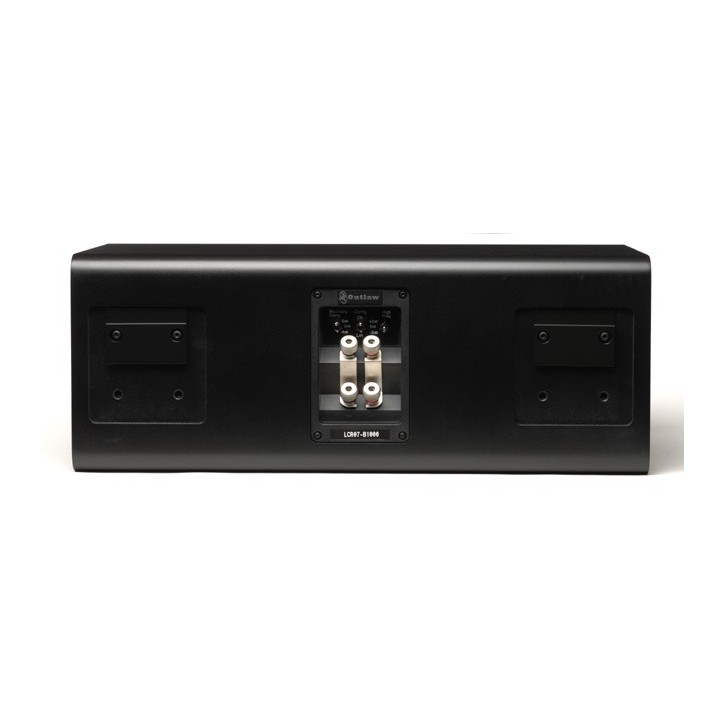
In addition to its unique on-board double crossover system, the Outlaw LCR offers the same dual-boundary compensation controls and high frequency switches that are in the Outlaw Bookshelf Loudspeaker. The boundary compensation control will negate the effects of negative midrange build-up when the speakers are close to a wall or a corner. The high frequency control is designed for use in overly “live” or “dead” rooms. (For more on these controls please download the LCR manual.)
Many of you who already own the Outlaw Bookshelf loudspeaker might want to know how the LCR matches as a center channel. The answer is incredibly well. The LCR uses the same exact tweeter and midrange drivers found in the Bookshelf. Also, we used the timbre of the Bookshelf speaker as our target voicing. Any Outlaw Bookshelf owner will be delighted in the performance and cohesion of his three front channel speakers.
For the curious and technically inclined readers: how the LCR Double Crossover System works.
The classic D’Appolito MTM configuration (midrange-tweeter-midrange) is an excellent solution for home theater applications when the speaker is oriented vertically because it provides maximum horizontal dispersion while limiting vertical dispersion. This focuses the sound field on the listener while minimizing reflections from the floor and ceiling. Those reflections would smear imaging and hamper localization. For this vertical application, a traditional two-way crossover design is ideal. Unfortunately, laying a two-way MTM speaker on its side, in the traditional “center channel on a TV” arrangement, creates a problem: comb filtering. As much as we like the two-way approach for a vertical orientation, we wanted something better when we tipped the speaker over. That’s where the LCR’s Center/Main switch comes in.
To introduce the Center/Main crossover switch and how it addresses the problem at hand, let’s start with a visual representation of comb filtering:
Your home theater is now a pond on a calm, clear day. You place floats in the pond at the four listening positions normally occupied by you, your spouse, and your kids (or you and your buddies). Now, drop two pebbles into the pond, one each at the center point of the midrange drivers in the horizontal center channel. Imagine how the waves propagate from both points. Wherever each set of waves meets, they will interact. Two peaks will combine to create a larger wave, two dips will combine to create a deeper trough, and a peak and a dip will combine to create nothing – just still water. If any of these three scenarios occurs at a float (a listener), that location will experience an interference effect. We don’t want that.
How can you use the “good” vertical behavior of a two-way MTM and avoid the potentially “bad” horizontal behavior of the same design? Our solution is to use the two-way crossover only when the speaker is vertical. When we shift to the horizontal, we use the Center/Main switch to change to a separate 2-1/2 way crossover. When this happens, one woofer remains unchanged while the other rolls off at a much lower frequency. The result is that both drivers are only active together below 500 Hz, where wavelengths start to get long and wave interactions are less likely. Critical frequencies (particularly normal human speech, a staple of center channel speakers) are only produced by a single driver, avoiding the interference effects that our four floats were at risk of experiencing in the pond. Now we have the ability to optimize the speaker for both vertical and horizontal placement, even though both orientations face significantly different challenges. You can even use the Center/Main switch to apply the 2-1/2 way crossover when the speaker is oriented vertically but located several feet above or below your listening position (both positions that are potentially susceptible to comb filtering as well). This double crossover allows the Outlaw LCR to be the most placement-flexible MTM speaker we have ever seen.
Main Features of the Outlaw LCR Channel Speaker
| Sensitivity | 90dB |
|---|---|
| Nominal Impedance | 4 ohms |
| Ports | None (Sealed Enclosure) |
| Rated Amplifier Power | 50 to 300 watts |
| Frequency Response | 75Hz to 22kHz +/- 3 dB |
| Tweeter | 1" custom silk dome designed and manufactured with precision Scandinavian parts |
| Woofer | 2x 5-1/4" SEAS driver with diecast magnesium basket, treated paper cone, low-loss rubber surround and 26mm CCAW voice coil |
| Linear Coil Travel | 10mm p-p |
| Boundary Compensation Switch | 0dB, -2dB, -4dB starting at 400Hz where it plateaus at 250Hz and remains flat to resonance |
| High Frequency Switch | +2dB, 0dB, -2dB starting at 4kHz and peaking at 20kHz |
| Dimensions (HxDxW) | 19" x 8-7/8" (with grille) x 7-1/4" |
| Weight | 20 lbs (each) |


Specific References
No customer reviews for the moment.
"Highly competent, highly adaptable and an outstanding value." (Sound and Vision Magazine). Following in the footsteps of our Bookshelf Loudspeaker, the Outlaw LCR (Left/Center/Right Channel) loudspeaker is truly something special.